Overview
As principal Designer on this project, I was responsible for leading product strategy. This included conducting research and tests with 20+ users. Creating high-fidelity mockups across 10+ features, establishing a comprehensive design system for both light and dark modes, and collaborating with the cloud team, marketing and business to ensure it aligned across systems.
Coherence demo:
Approach
Before moving into any design, I worked closely with marketing, product, and business stakeholders to understand how Coherence positioned itself and how users were expected to engage with the platform. This involved unpacking:
The current go-to-market narrative and how the product was being explained to users
Where the Hub sat within the wider product ecosystem
How users moved between tools, particularly the system responsible for updates and environment statuses
The expectations of a highly technical audience, balanced with the need to broaden accessibility
What became clear was that the Hub wasn’t just another interface. It was a critical entry point into the Coherence ecosystem. It needed to act as both a control centre and a bridge between tools, while aligning with a broader strategy of reducing friction in cloud development workflows.
Goals
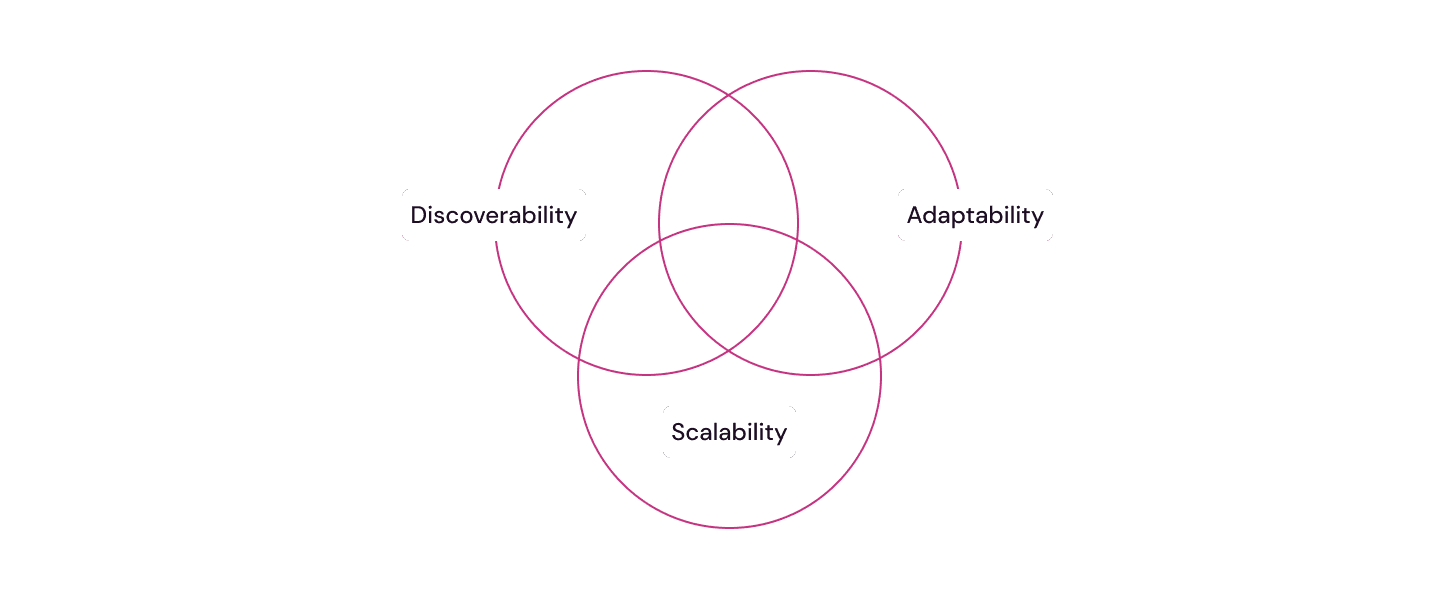
Ensured users could intuitively navigate the platform, surfacing relevant actions and information at the right moments without overwhelming the experience.
Ensured the Hub was designed as a scalable foundation, capable of supporting increasing product complexity, expanding user needs, and future platform integrations.
Adaptability for shifting product strategy, user behaviours, and emerging use cases, supporting continuous evolution without disrupting the core experience.
Problem Statement
The primary challenge was to design a central hub that could cater to a diverse user base, ranging from novice developers to seasoned professionals. The hub needed to offer:
There was the challenge of onboarding. Early concepts leaned toward guiding users step-by-step, but this risked over-instructing a technical audience who valued speed and autonomy.
The Hub needed to integrate seamlessly with a separate system responsible for surfacing updates and environment statuses. Without careful design, this risked becoming a fragmented experience, where users had to mentally navigate information across tools.
There was a strong expectation of simplicity. This was part of democratising multiplayer to not just developers. The experience needed to feel like something that worked out of the box without requiring effort to get started.
Process
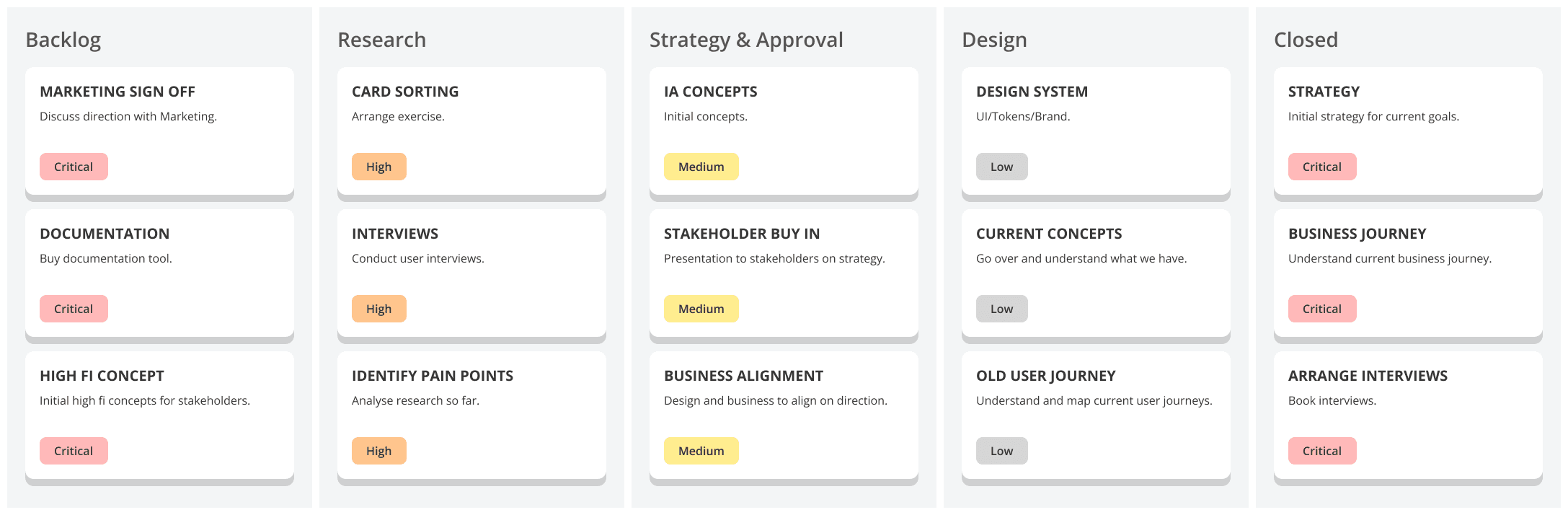
Old User Journeys
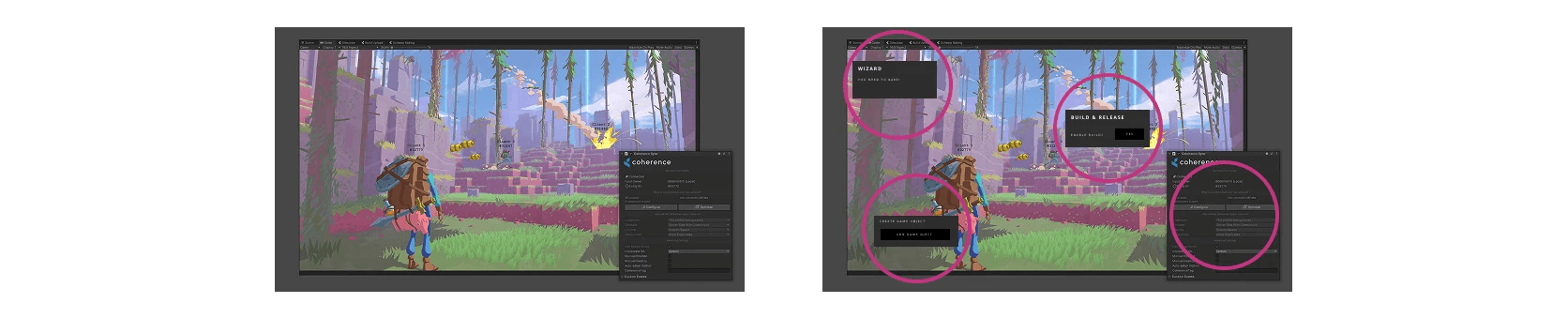
Information was fragmented across multiple screens, making it difficult for users to build a clear mental model of their environments and workflows.
Key actions and status updates were not surfaced in a centralised location, leading to inefficiencies and repeated navigation.
Users were required to switch between different parts of the product to complete a single task, creating a disjointed experience.
There was no cohesive journey. Interactions felt isolated rather than part of a connected system.
Important updates and environment states were easy to miss, reducing visibility and confidence in the platform.
Competitor analysis
These competitors focus on solving real-time multiplayer complexity, similar to Coherence’s core offering. I specifically looked mostly at Unity and Unreal's multiplayer options and Photon Engine.
Tools in this space prioritise network performance, scalability, and synchronisation
Often require deep technical knowledge to configure and maintain. Mostly developers, not aimed at designers or PMs.
Typically fragmented across multiple tools (networking, hosting, scaling)
Insight:
Many solutions optimise for power and flexibility, but at the cost of usability. Like coherence, Photon was also complex and fragmented.
Interviews & Research Events
Conducted multiple rounds of user interviews to understand how individuals navigated the platform, where friction occurred, and how they expected the system to behave
Distributed a survey to companies using Coherence to gather broader insights across teams, focusing on needs, expectations, and workflow challenges rather than surface-level feedback
Organised and facilitated hands-on events, inviting developers to use the product over several days in real-world scenarios
Observed and analysed user behaviour during these sessions, identifying how participants approached tasks, where they became blocked, and how they interpreted system feedback
Captured patterns across both qualitative and behavioural data to understand how users actually worked, not just what they reported
Used these insights to inform decisions around onboarding, system cohesion, and simplifying complex workflows