
The project itself:
Project Overview
PIX System by Autodesk is a secure collaboration platform used in the film industry to review, share, and manage production content throughout the filmmaking process. PIX has been used for big movies like Barbie, Dune, and Avatar. You can learn more here: PIX.com
Problem:
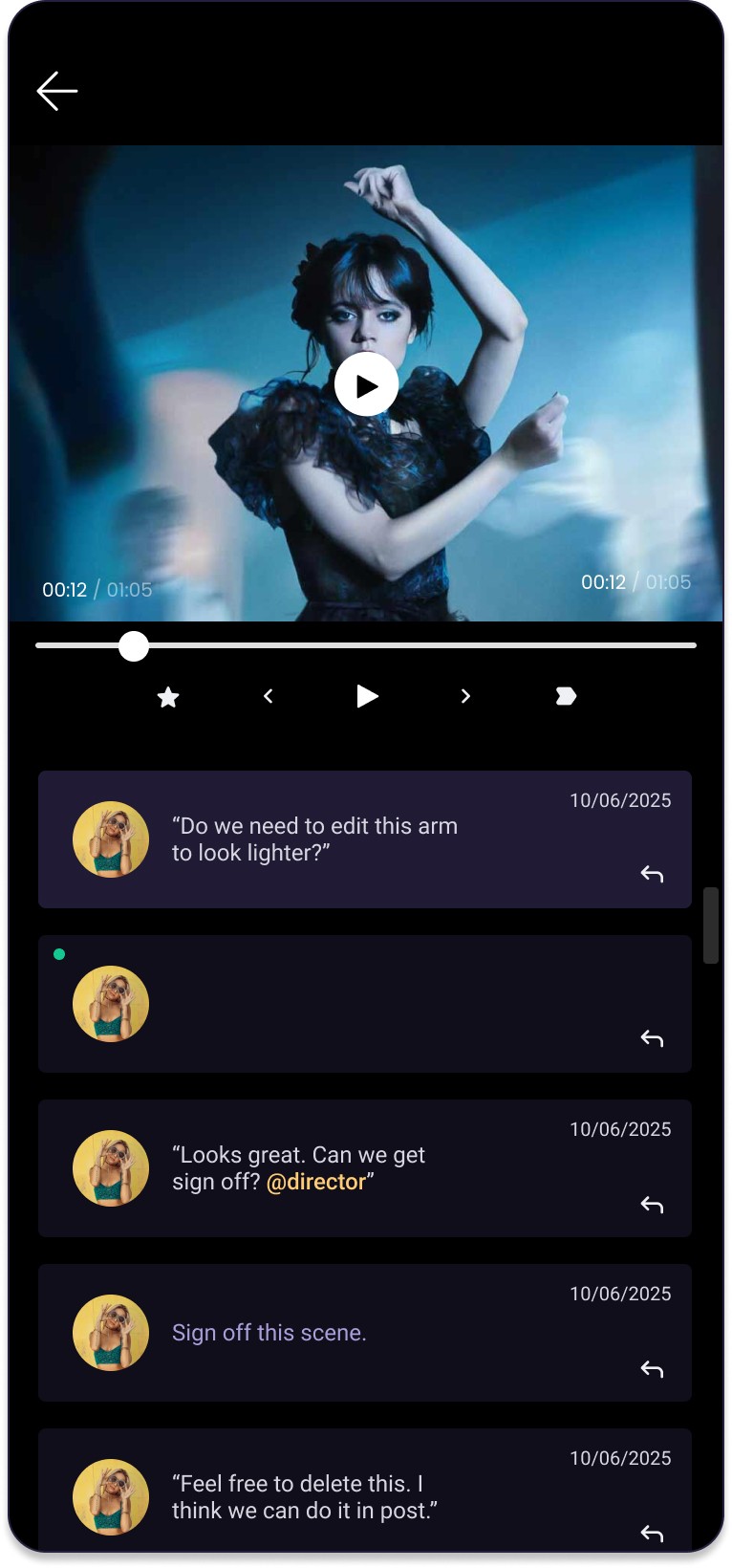
Directors relied on memory and delayed review cycles, creating friction in the editing process. Feedback, notes, and decisions were often captured late, slowing down production and reducing the ability to act in the moment.
Goal:
The goal was to enable directors to review, edit, and make decisions on footage in real time, reducing delays between production and post-production.
My role:
I was the Lead Designer who was to hire and lead a team to help build this. This included two designers and a developer.
Responsibilities:
Lead the strategy
Hire the team to help build this
Lead the design and research
The clear version :
Approach
I worked closely with stakeholders and developers to understand on-set workflows and identify opportunities to bring editing and feedback earlier into the process. The goal was to create a system that supported live decision-making without disrupting existing production workflows.
What did we have to work with?
From a strategic perspective, the goal was to move quickly while grounding decisions in real user behaviour.
This meant balancing ongoing research with quick design and delivery. Ensuring we were learning, building, and iterating in parallel.
To support this, I built a small, focused team of two designers with complementary strengths:
One more research-focused, helping drive user insights and validation
One more development-focused, enabling faster translation of ideas into build-ready solutions
This structure allowed us to cover both discovery and delivery effectively, ensuring decisions were informed by research while maintaining the pace needed to push ideas forward into the product.
What was it like working on a film set as a Director or Editor?
These are a high fidelity design that represents a final product
To ground the work in real-world needs, I conducted qualitative research and on-set observation and running sessions with directors and crew to understand how decisions are made in fast-paced environments. Rather than relying on assumptions, I focused on how footage is reviewed, feedback is shared, and decisions happen in the moment, supported by insights from stakeholders working closely with high-profile directors.
This defined a clear problem space rooted in real behaviours and constraints.
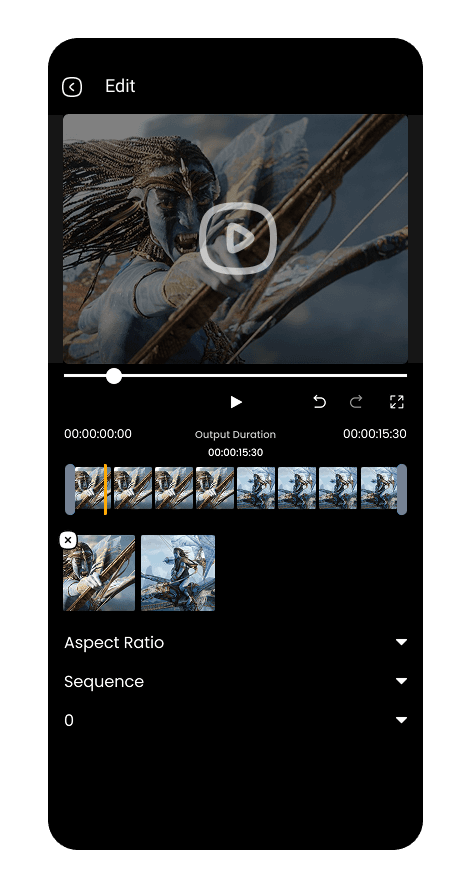
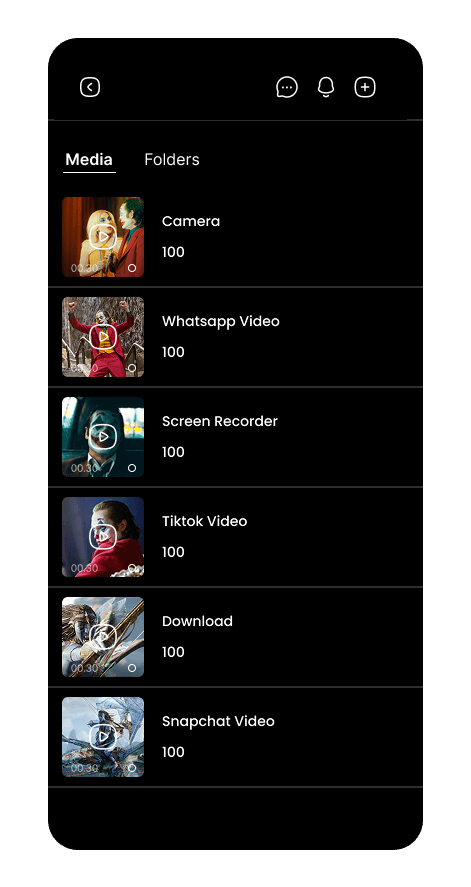
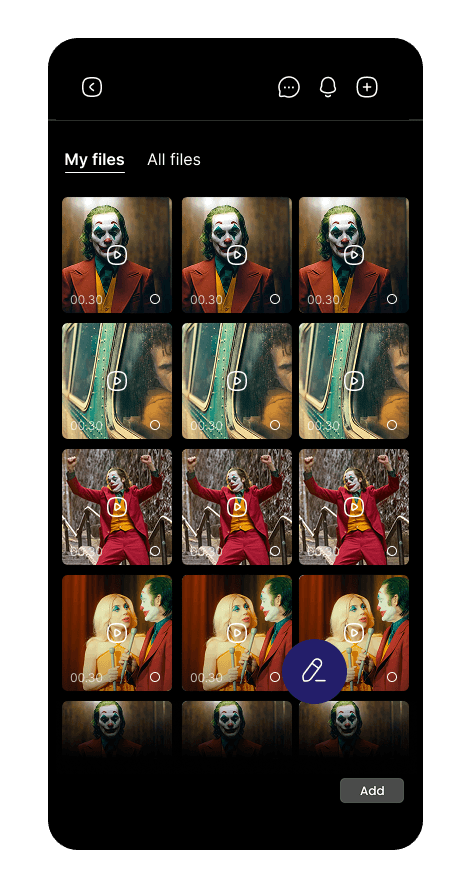
The solution was to enable directors to interact with footage in real time. Instead of replicating studio workflows, I focused on what was needed on set. Prioritising quick review, lightweight editing, and capturing feedback as it happens, while leaving more complex tasks for post-production.
This led to:
Real-time reviews
Live streaming on set
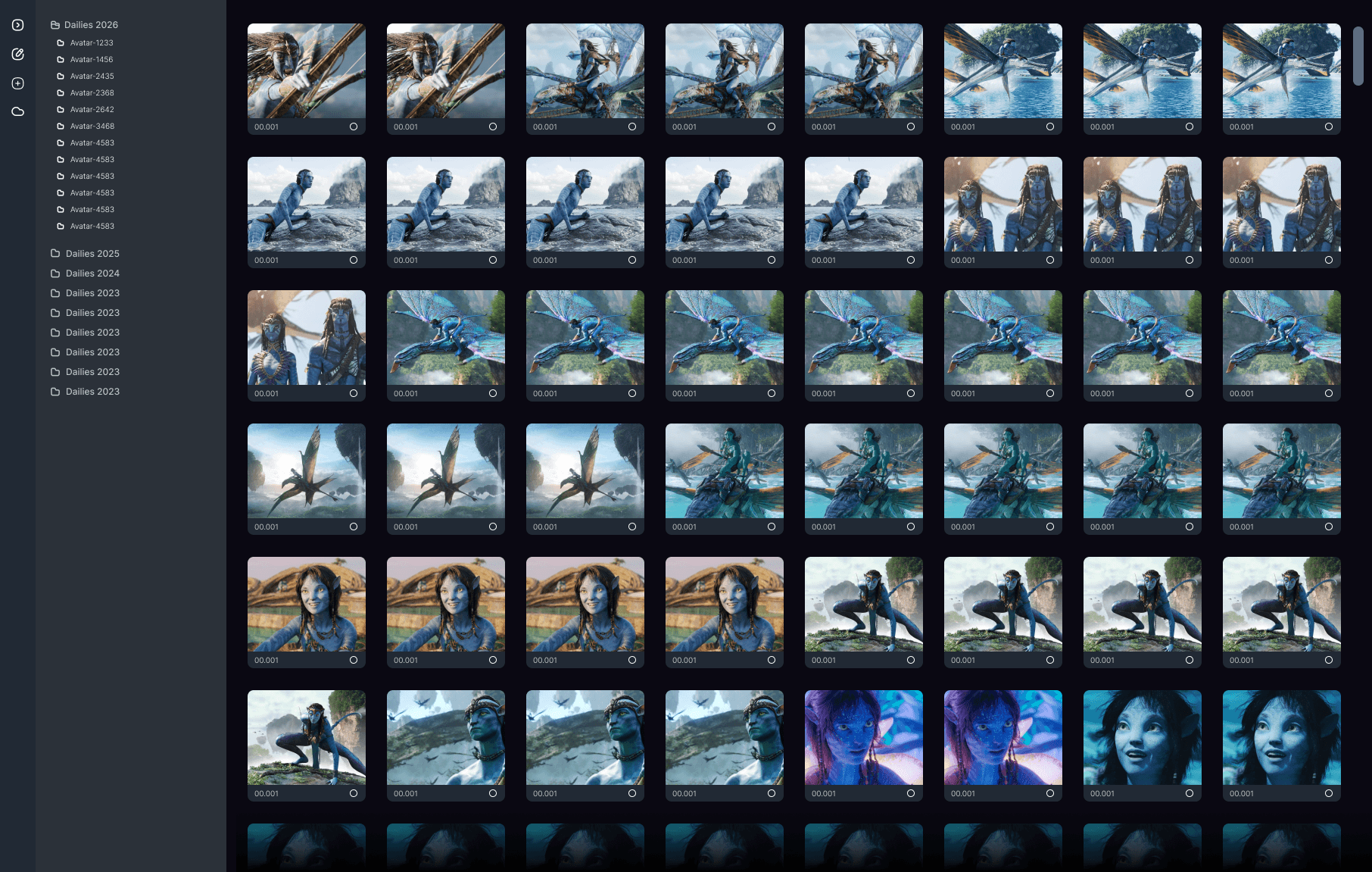
Advanced dailies to review, share, and manage content
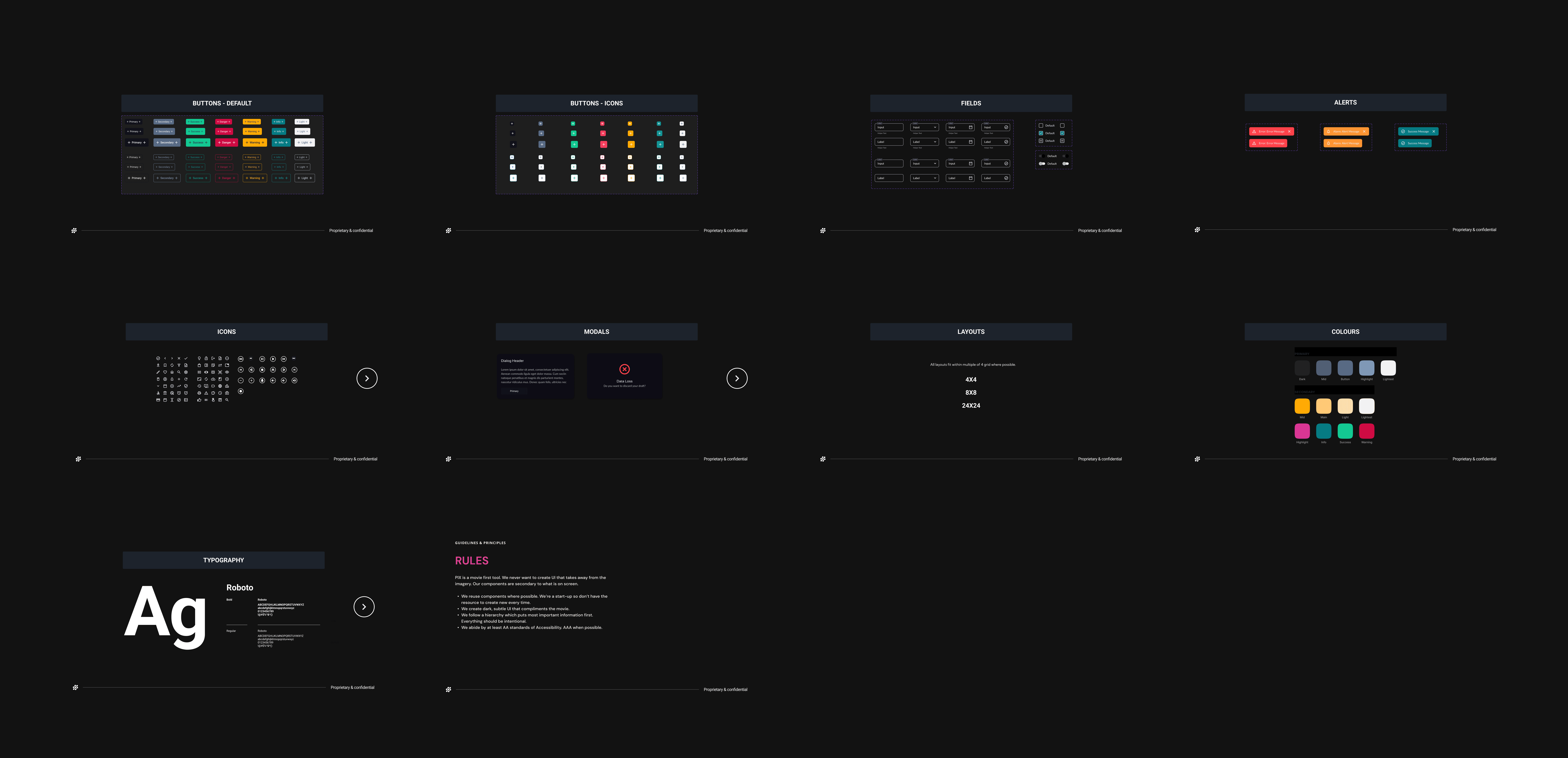
Design System: Orion
Issues start surfacing due to time spent hiring and training vs being productive.
I led the branding and creation of Orion, shaped by both existing principles and new research. PIX already operated under a key constraint: the interface should never distract from the content. In film-focused tools, the priority is always the footage itself, not the UI. Something reflected across industry tools, where dark, minimal interfaces are standard.
Building on this, Orion was designed to maintain focus, reduce visual noise, and support clarity during high-attention tasks. It was also created to unify the UI in one place (as before, everything was documented in fragmented powerpoints) and allow Developers to start their own design system in Story Book, which I felt was important to ensure scalability and efficiency.
Core principles included:
Neutral colour palette: primarily blacks and greys to ensure the UI recedes into the background.
Intentional use of accent colour: orange used sparingly to draw attention to key actions, states, or alerts.
Low visual noise: minimal UI chrome to avoid competing with film content.
Hierarchy through contrast, not colour: using scale, spacing, and opacity rather than multiple colours.
Focus on content first: layouts designed to prioritise footage visibility at all times
Consistency across components: reusable patterns to create a cohesive and predictable experience.
Clarity in interaction states: subtle but clear feedback for actions without overwhelming the user.
This approach ensured the system supported the work without getting in the way. This created a consistent, scalable foundation that respected the primary goal: keeping attention on the film.
MVP
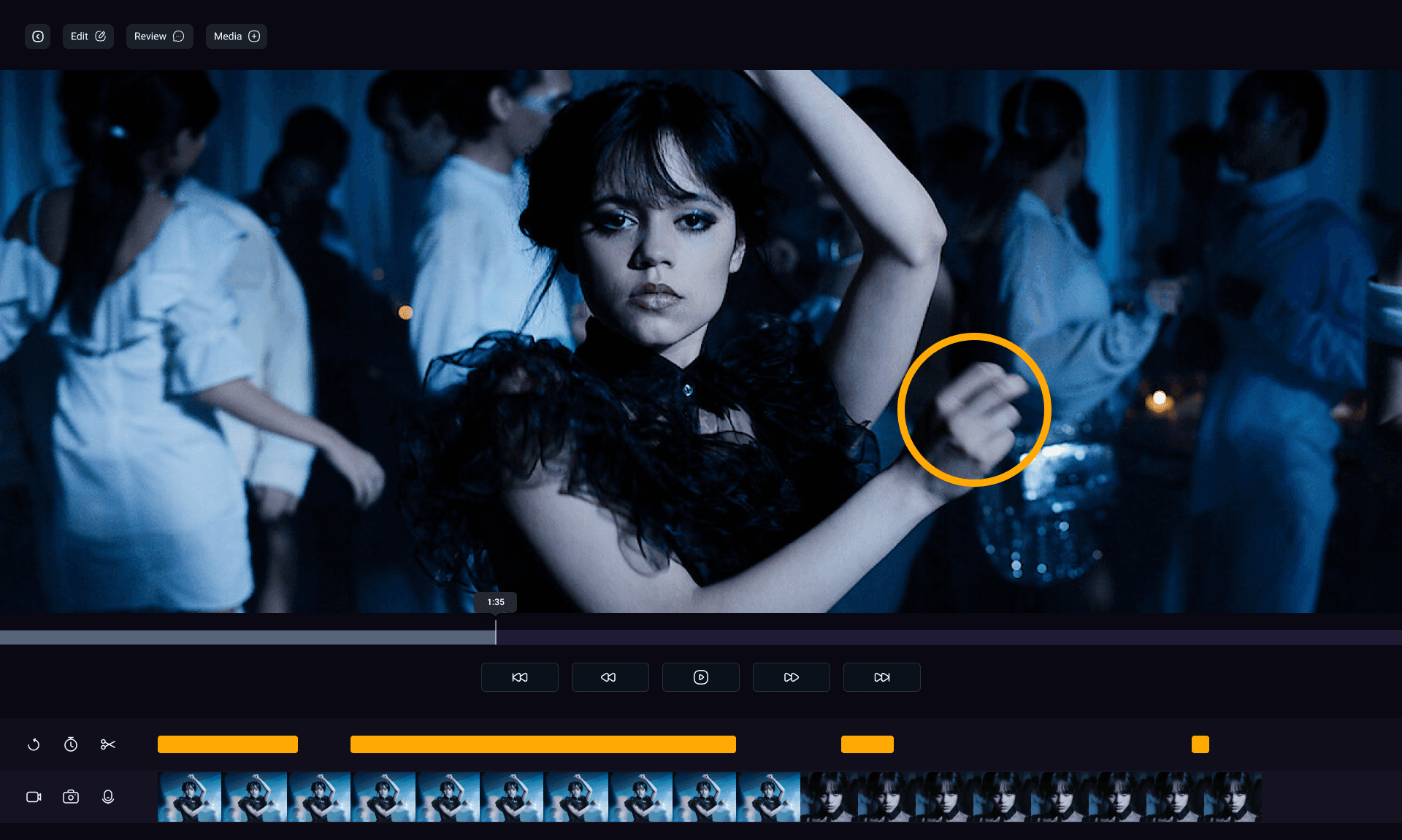
The ultimate solution was to enable directors to edit and interact with footage in real time.
Rather than simply lifting and shifting existing studio workflows into a live environment, I focused on understanding what directors actually need in the moment on set versus what can wait until post-production.
This meant designing for immediacy and context. Prioritising quick review, lightweight editing, and capturing feedback as it happens, while leaving more complex tasks for the studio. By tailoring the experience to on-set behaviour, the solution supported real-time decision-making without adding unnecessary complexity.
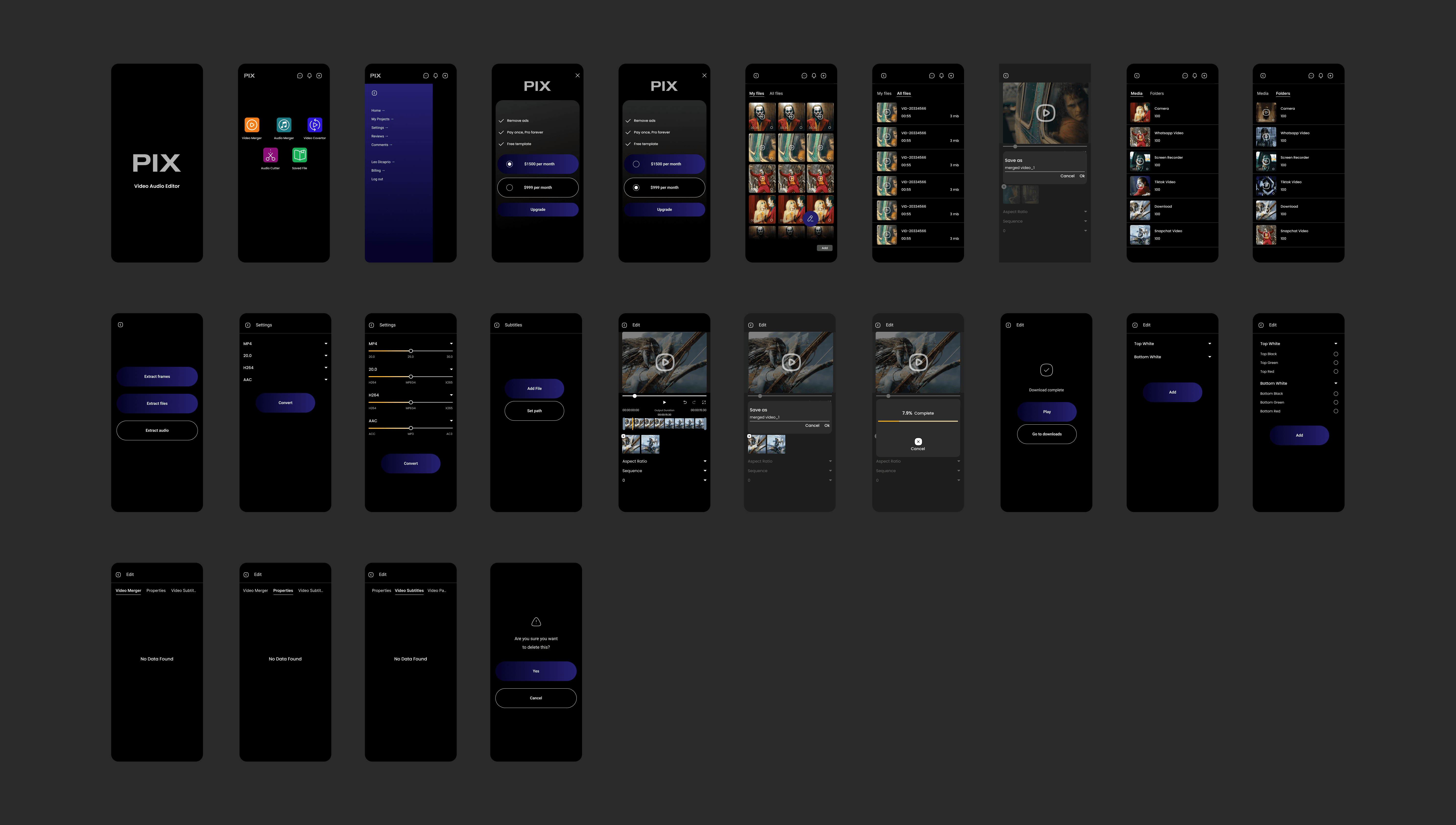
Editing Live on Mobile:
The project schematically :
Outcome
PIX Live is a successful project which has been evolved and expanded. You can read more about it here.
Takeways
Early-stage, fast-moving projects require experienced, autonomous contributors.
Impact:
Collaboration with engineering is critical. Aligning design and development meant we both became more efficient.
What I learned:
Design should support, not compete. In content-heavy environments, reducing visual noise is as important as adding functionality
Next Steps
PIX Flow has evolved over the years as an idea, but some of the main successes early on was on team building and implementation of a design system.
Evolve Orion with usage.
Refine components based on real-world feedback and edge case
Strengthen design–dev integration. Further develop Storybook and shared workflows