From Game Mechanics to Career Pathways
The Story Behind the Skill Sphere
The idea for Skill Sphere didn’t come from a classroom, a strategy deck, or even a careers workshop; it came from a game.
Like many great ideas, it started with a simple observation: games are incredibly good at showing progression. As you play, you collect skills, unlock abilities, and gradually build a character that becomes more capable, more specialised, and more aligned with certain paths. Every decision feeds into a larger system. You can see where you’re going.
But in real life, especially for students, that clarity is often missing.
The Problem: Skills Without Context
Students spend years learning, picking up skills across subjects, hobbies, and part-time work. But those skills often exist in isolation. A student might be good at problem-solving, visual design, or communication, but they rarely see how those map to real careers. Even worse, they’re not always guided toward developing those skills in ways that lead somewhere tangible.
The result? A disconnect between education and employment. Students are working hard, but without a clear sense of direction or purpose.
The Spark: Turning Skills Into a System
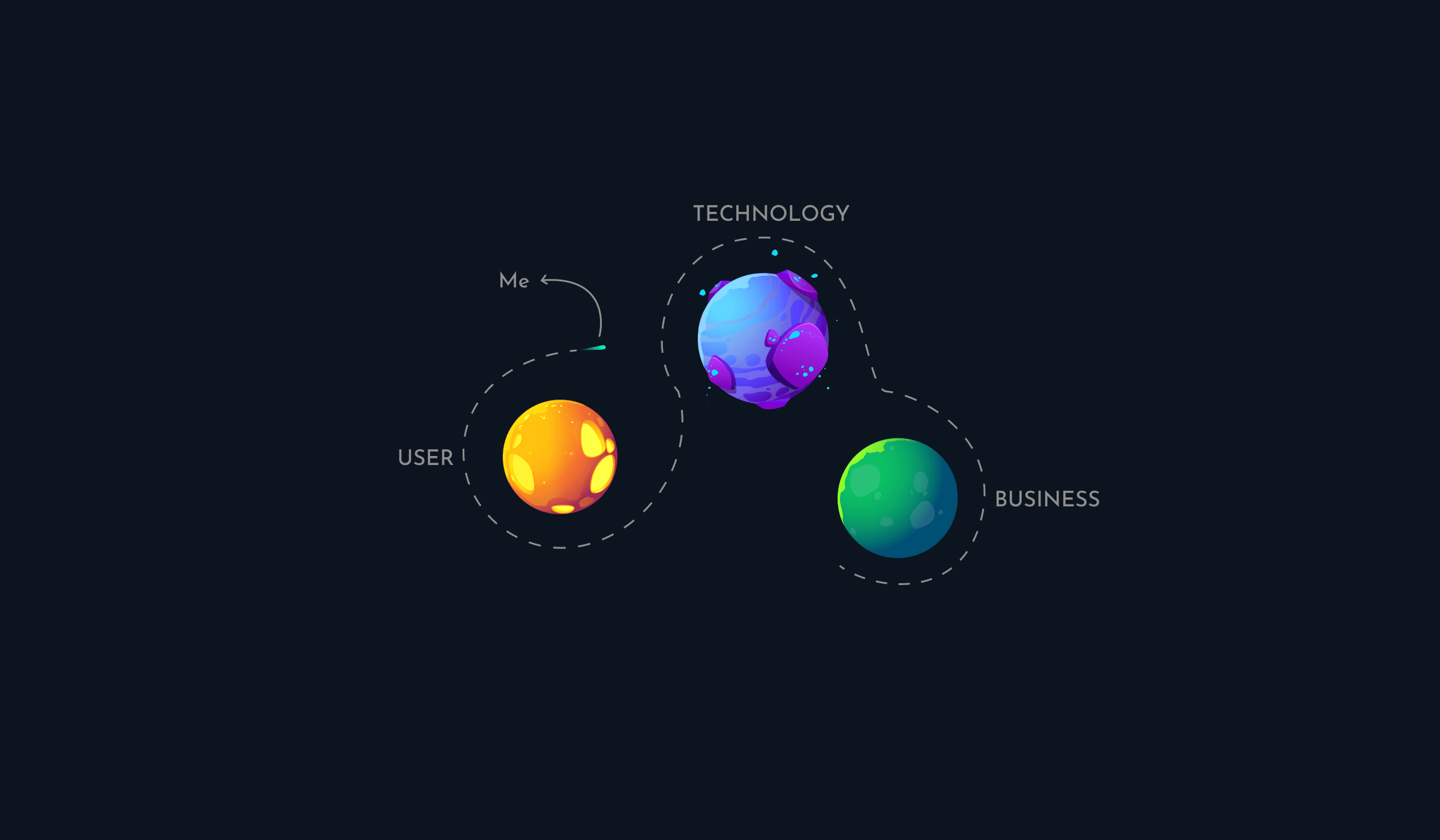
The game I was playing made me think differently. It visualised growth as a system—interconnected, evolving, and purposeful. What if students could see their skills in the same way?
That question led to the concept of the Skill Sphere.
Instead of a CV or a list of grades, the Skill Sphere would be a dynamic, visual representation of a student’s abilities. Users could input their existing skills, whether academic, personal, or practical, and the product would map these onto a sphere. This sphere wouldn’t just show what they have, but what those skills mean.
Each point on the sphere would connect to real-world careers, showing how a combination of skills opens up specific pathways. Students could explore roles they might never have considered, simply by seeing how their current abilities align.
Beyond Discovery: A System That Guides Growth
But the Skill Sphere isn’t just about reflection; it’s about progression.
Once a student sees potential career paths, the system would then recommend courses, experiences, or learning opportunities that help them move closer to those roles. Every step they take would feed back into the sphere, expanding it, reshaping it, and making their trajectory clearer.
In other words, learning becomes intentional. Every course has a purpose. Every skill has direction.
From Concept to Conversation
This idea wasn’t just theoretical. I took it to Manchester Metropolitan University as the starting point for exploring it as a startup concept.
The conversations were encouraging. There was a shared recognition that students need better tools to understand themselves and their futures—not just in abstract terms, but in a way that’s actionable and motivating.
Since then, the Skill Sphere has remained an ongoing project. What started as an app concept has evolved into something broader.
Rethinking the Format: From Digital to Tangible
One of the most interesting shifts has been reconsidering the format itself.
Originally, the Skill Sphere lived as a digital product. An app where students could input data and explore outcomes. But over time, I’ve been exploring how this idea could become more tangible. Something that exists beyond the screen. Something that can be experienced, interacted with, and even used collaboratively in physical spaces like classrooms or workshops.
This shift opens up new possibilities:
Could it become a tool used in career coaching sessions?
Could it exist as a physical installation or workshop framework?
Could it help educators guide students in a more structured, visual way?
The core idea remains the same, but the medium is evolving.
Why It Matters
At its heart, the Skill Sphere is about clarity.
It’s about helping students understand that what they’re learning today isn’t random because it’s part of a bigger picture. It’s about turning uncertainty into direction, and passive learning into purposeful growth.
Most importantly, it’s about giving students a sense of control. Instead of asking, “What should I do with my life?”, they can start to see the answer emerging from the skills they already have—and the ones they choose to build next.
What’s Next
The Skill Sphere is still evolving. It’s a concept in motion, shaped by conversations, experimentation, and a belief that education can be more connected to real-world outcomes.
What began as a moment of inspiration from a game has grown into a framework for rethinking how we approach skills, careers, and personal development.
And like any good game, it’s still in progress.