Website Redesign: Coherence
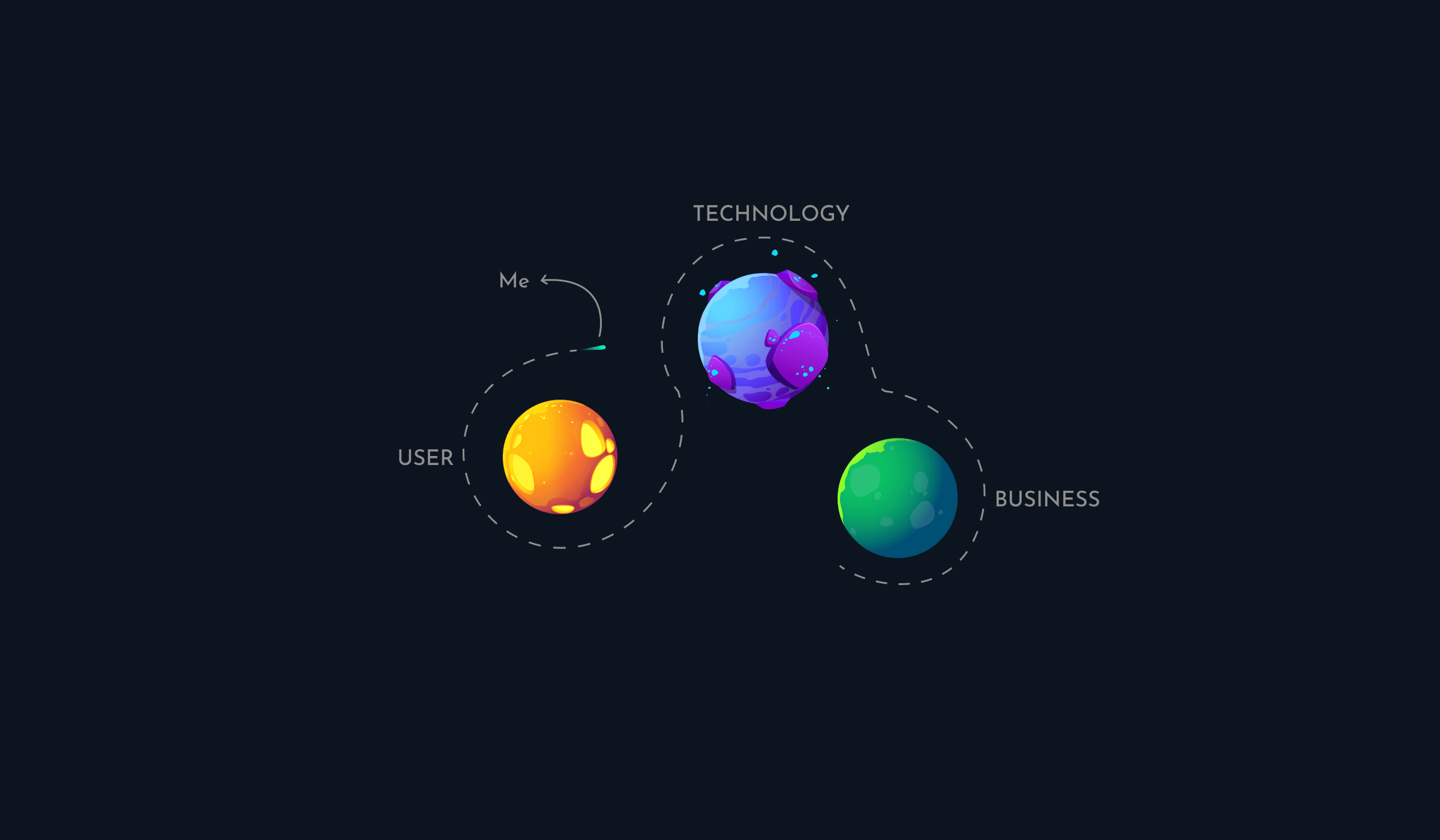
As the company grew, it became evident that there was a need for a unified brand strategy to ensure that all marketing, design, and business efforts were aligned. Previously, each department had its own approach to branding, leading to inconsistencies in messaging, visual identity, and customer experience.
Problem Statement
The primary issues that needed to be addressed included:
Inconsistent Branding: Different departments were using varying visual styles, tones, and messaging, leading to a disjointed brand identity.
Inefficient Processes: The lack of a unified brand strategy resulted in duplicated efforts, miscommunication, and inefficiencies.
Fragmented Customer Experience: Customers were receiving mixed messages from the company, which weakened brand recognition and loyalty.
Scalability Issues: As the company grew, the absence of a standardized brand system made it difficult to scale marketing and design efforts effectively.
Vision & Strategy
The first step in creating a unified brand strategy was to establish a clear vision for the company's website. The website would serve as the primary touchpoint for customers and the central hub for the brand's online presence. This vision would then inform the rest of the branding efforts, ensuring consistency across all platforms and touchpoints.
————————————————————
1. Creating the Vision for the Website
The website was envisioned as the embodiment of the brand's values, mission, and identity. It needed to be visually appealing, user-friendly, and consistent with the company's messaging and goals. The website's design and functionality would set the tone for all other branding efforts, making it the logical starting point for the new brand strategy.
Key Goals for the Website:
Visual Consistency: Develop a cohesive visual identity that reflects the brand's personality and resonates with the target audience.
User Experience: Design a website that is intuitive and user-friendly, ensuring that visitors can easily find information and engage with the brand.
Content Alignment: Ensure that all content on the website is aligned with the brand's messaging, tone, and values.
Scalability: Build a website framework that can evolve and grow with the company, accommodating future needs and expansions.
2. Developing the Brand Bible
With the website vision in place, the next step was to create a brand bible that would serve as the definitive guide for all branding efforts. The brand bible would include:
Brand Vision and Mission: A clear articulation of the company’s goals, values, and purpose.
Core Brand Values: The key principles that guide the company’s actions and decisions.
Target Audience: A detailed description of the company’s primary audience, including demographics, psychographics, and behavioral insights.
Brand Personality: A description of the brand’s tone, voice, and character, ensuring that all communications are consistent and authentic.
Visual Identity: Guidelines for logo usage, color palettes, typography, imagery, and other visual elements.
3. Establishing Brand Guidelines
Building on the brand bible, we developed a comprehensive set of brand guidelines that would ensure consistency across all departments and platforms. These guidelines covered:
Logo Usage: Rules for how and where the logo can be used, including sizing, spacing, and placement.
Color Palette: A defined color scheme that reflects the brand’s personality and is used consistently across all materials.
Typography: Guidelines for font usage, including primary and secondary typefaces, font sizes, and hierarchy.
Imagery and Iconography: Rules for selecting and using images, icons, and other visual elements that align with the brand’s identity.
Tone of Voice: Instructions on how to maintain a consistent tone in all written communications, whether in marketing materials, social media, or customer service.
4. Building a Design System
To ensure that the brand’s visual and functional elements could be easily implemented across all digital platforms, we created a design system. This system was a living repository of reusable components, design patterns, and code snippets that could be used by designers and developers to maintain consistency across the website and other digital assets.
Key Components of the Design System:
UI Components: A library of buttons, forms, menus, and other interface elements that could be reused across the website and other digital platforms.
Responsive Design Patterns: Design patterns that ensure the website and digital assets are optimized for all devices, from desktops to mobile phones.
Code Snippets: Pre-written code blocks that developers could use to implement design elements quickly and accurately.
Documentation: Detailed documentation that explains how to use each component and pattern, ensuring that the design system is easy to use and maintain.
Implementation & Results
Once the vision, brand bible, guidelines, and design system were established, we began implementing the new brand strategy across all departments. This involved:
Training and Onboarding: Conducting workshops and training sessions to introduce the brand bible, guidelines, and design system to all relevant teams.
Website Redesign: The website was redesigned according to the new brand guidelines, resulting in a more cohesive and engaging online presence.
Marketing Alignment: Marketing materials were updated to reflect the new brand strategy, ensuring consistency in messaging, tone, and visual identity.
Ongoing Collaboration: Regular check-ins and feedback loops were established to ensure that all departments continued to align with the brand strategy.
Outcomes:
Consistent Brand Identity: The brand’s visual and verbal identity became consistent across all platforms, leading to stronger brand recognition and customer trust.
Improved Efficiency: The design system and brand guidelines reduced duplicated efforts, saving time and resources.
Enhanced Customer Experience: Customers experienced a seamless and cohesive interaction with the brand, resulting in increased engagement and loyalty.
Scalable Framework: The brand strategy provided a scalable framework that could accommodate future growth and expansion.
—————————————-
Conclusion
As the Lead Designer and Brand Strategist, I successfully bridged the gap between design, marketing, and business by developing a unified brand strategy for [Company Name]. By starting with a clear vision for the website, we created a foundation that informed the rest of our branding efforts, ensuring consistency and efficiency across all departments.
This project underscored the importance of a holistic approach to branding, where design, marketing, and business objectives are aligned to create a strong, cohesive brand identity. The brand bible, guidelines, and design system we developed have not only improved the company’s current operations but also set the stage for future success.